Immediate rules
You should understand the core objective quickly. Pac-Man, Frogger and Space Invaders remain strong because the goal is legible from the first play.
We revisit famous coin-op games to see how their controls, challenge, pacing and replay value hold up today. No nostalgia score inflation—just clear editorial reviews.
Great arcade games communicate their objective in seconds, then spend years revealing depth. Our reviews focus on the qualities that made these cabinets memorable rather than on mythology around them.
You should understand the core objective quickly. Pac-Man, Frogger and Space Invaders remain strong because the goal is legible from the first play.
Movement, timing, routing and risk management create room for players to improve long after they learn the basics.
The best cabinets turn short sessions into repeatable challenges through scoring, escalating pressure and instantly readable failure.
We score each title on control feel, clarity, replay value and challenge design. Historical importance may provide context, but it does not automatically improve the rating.
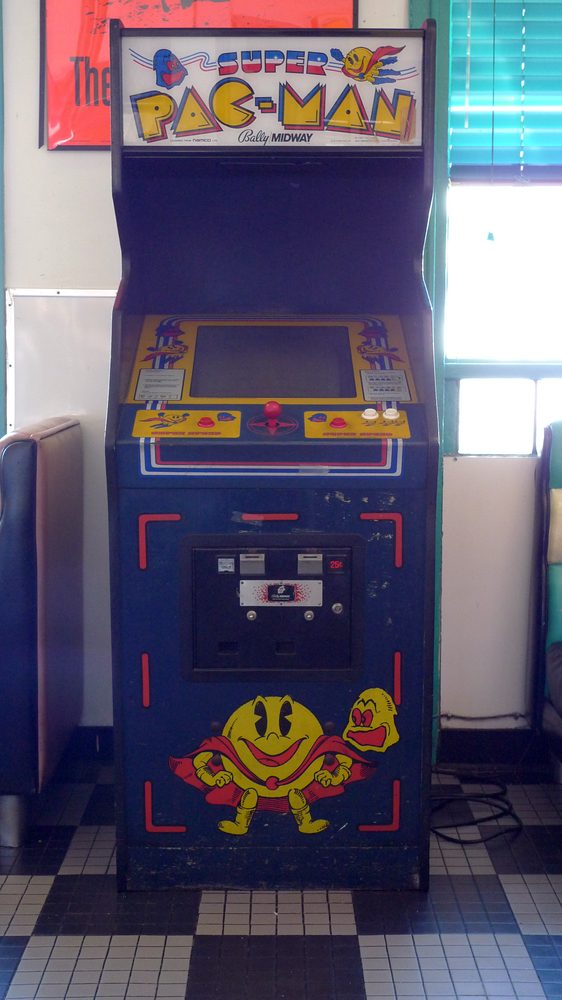
Maze routing, ghost behavior and constant risk make a minimal rule set feel surprisingly strategic.
Photo: vintage Bally Midway cabinet / Wikimedia Commons
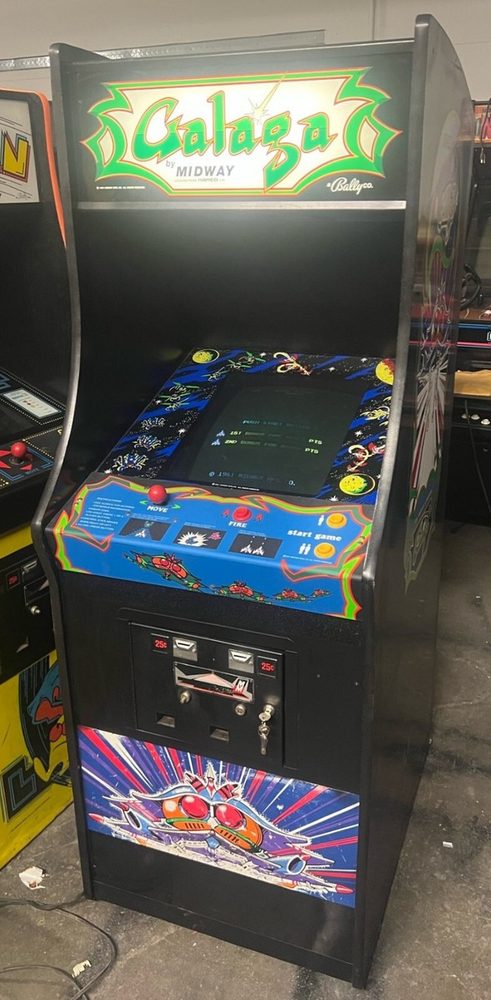
A sharper, more expressive fixed shooter where formation patterns and the dual-fighter mechanic reward confidence.
Photo: Galaga cabinet photo
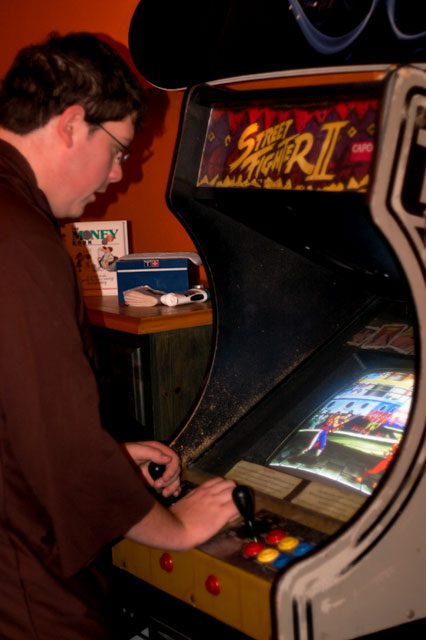
Readable archetypes, strong spatial fundamentals and competitive depth helped define the modern fighting-game template.
Photo: Street Fighter II cabinet photo / Wikimedia Commons
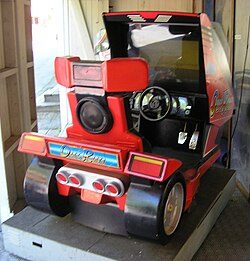
Branching routes, responsive driving and a breezy sense of speed make it one of arcade racing's cleanest expressions.
Photo: Wikimedia Commons contributor · Out Run cabinet
We avoid treating every old game as untouchable. Each review follows the same editorial sequence so comparisons stay useful.
We check how quickly the objective, hazards and controls make sense without outside explanation.
Input response, movement precision and whether the game gives the player enough agency to own mistakes.
We look at how pressure escalates and whether challenge grows through mastery rather than cheap surprise.
Score chasing, branching routes, matchup depth and other reasons to start another run after the first.
Start with Pac-Man, Galaga, Space Invaders, Asteroids and Frogger for short sessions built around pattern recognition and escalating pressure.
Choose Street Fighter II, Mortal Kombat or Out Run when you want matchups, execution, reaction speed or route optimization.
Arcade Review Desk is an independent editorial site. We do not operate an arcade venue, sell game cabinets, or claim affiliation with the publishers of the games discussed.
Go deeper with full reviews, compare our Top 10, or browse the Hall of Fame for a faster overview of essential classics.