Pac-Man / Ms. Pac-Man
For route planning, enemy manipulation and compact score runs.
Arcade games are not one genre. The format includes maze games, shooters, fighters, platformers, racers and timing-heavy action games.
For route planning, enemy manipulation and compact score runs.
For pattern recognition, pressure management and high-score repetition.
For direct competition, matchup learning and execution.
For deliberate movement, timing and stage mastery.
For momentum management and expressive control.
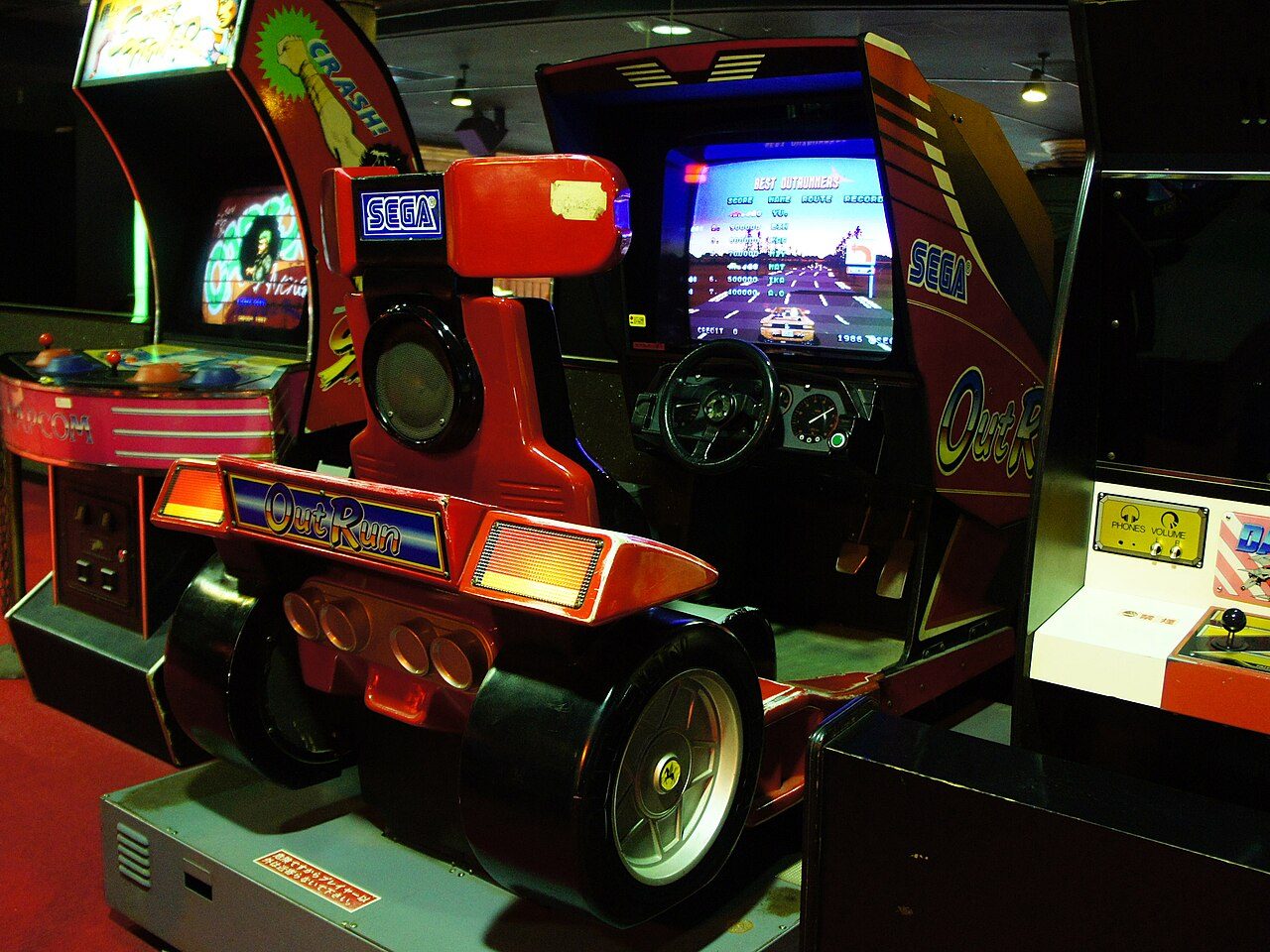
For speed, route choice and a less punishing score-focused atmosphere.
Control is how directly the game translates input into action. Clarity is how easily you can understand danger and objectives. Replay value is whether repeating the same short loop remains interesting. Challenge measures the pressure placed on execution, memory or decision-making.
Older games often have fewer systems than modern releases, so the important question is not “how much content is there?” but “how much mastery can this small ruleset support?”